5 Powerful Ways a Restaurant POS System Boosts Operations
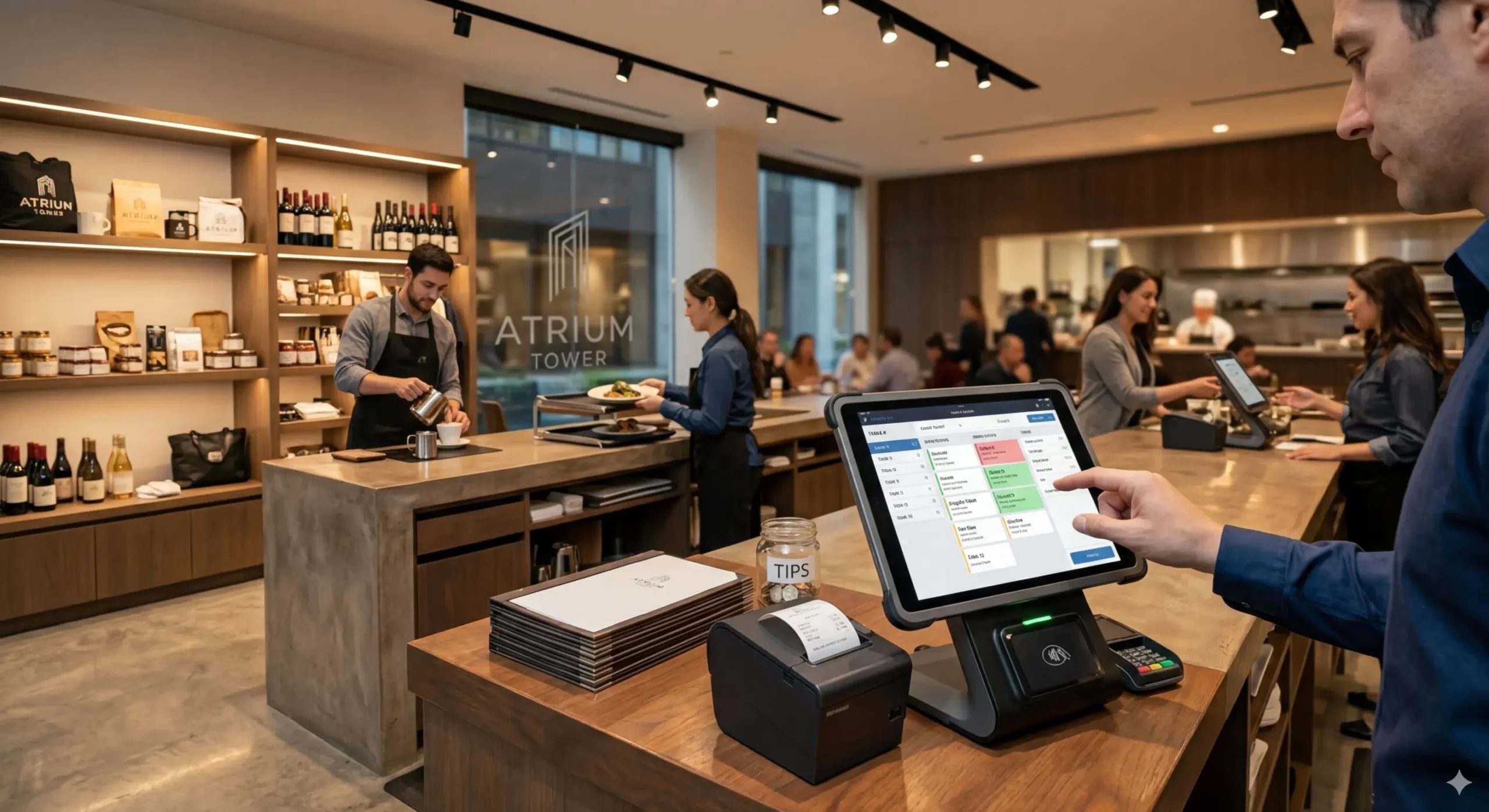
A restaurant POS system is the operational backbone of every successful food service business, and the gap between restaurants that use one well and those that don’t is growing fast. The global restaurant POS terminal market is expected to reach $38.16 billion by 2030, growing at a compound annual rate of 8.0%, driven by restaurants discovering that a modern POS system doesn’t just process payments, it manages inventory, tracks performance, reduces labor costs, and improves the guest experience at every touchpoint. (Grand View Research, Restaurant POS Terminal Market Report)
If you’re still relying on a basic cash register or an outdated system that only handles transactions, here’s what a modern restaurant POS system actually does and why it matters for your bottom line.
What Is a Restaurant POS System?
A restaurant POS system is a combination of hardware and software that manages the full lifecycle of a customer orderfrom the moment it’s placed to the moment it’s paid. Modern systems go far beyond transaction processing, connecting your front-of-house staff, kitchen team, inventory, payroll, and marketing into one unified platform.
95% of restaurateurs see technology as a business booster Deep Sentinel, and the restaurant POS system sits at the center of that technology stack. Whether you run a quick service counter, a fullservice dining room, or a multi location chain, the right POS system is what makes efficient, scalable operations possible.
5 Powerful Ways a Restaurant POS System Boosts Your Operations
1. Transforms Order Management From Chaotic to Seamless
In a busy restaurant, order accuracy and speed are everything. A restaurant POS system replaces handwritten tickets and manual communication between front of house and kitchen staff with a direct, real time connection. Orders placed at the table or counter are instantly transmitted to the kitchen display, eliminating the risk of lost tickets, misheard orders, or delays caused by staff running back and forth.
Restaurant operators are increasingly adopting POS systems to cut billing time, track order completion times, and avoid order errors during peak periods with back office POS systems improving operational efficiency by removing administrative duties from front-end terminals. For a restaurant operating at full capacity during a Friday dinner rush, that efficiency difference is measured directly in table turn times and customer satisfaction.
Modern systems also support tableside ordering via handheld devices, self service kiosks, and online order integration, all feeding into the same kitchen workflow. A properly installed point of sale system ensures all of these order channels operate reliably and without conflicts.
2. Turns Inventory Management Into an Automated Process
Inventory is one of the biggest cost drivers in any restaurant and one of the hardest to manage manually. A restaurant POS system tracks ingredient usage in real time as orders are placed, automatically updating stock levels and alerting you when items fall below threshold quantities.
Key POS functions including sales analysis, inventory management, customer feedback tracking, and personnel management analytics are the primary drivers of market growth, as restaurants shift away from manual systems and traditional cash registers For a restaurant, this means you always know what you have, what you’re running low on, and what’s being wasted, without anyone having to count stock manually at the end of every shift.
Real-time inventory data also feeds directly into menu engineering decisions. When your POS shows you which dishes are selling and which aren’t, you can optimize your menu around profitability, not guesswork. Pairing your POS infrastructure with reliable structured cabling ensures your network stays stable so inventory data is always accurate and up to date across every terminal.
3. Delivers Reporting and Analytics That Drive Smarter Decisions
Every transaction in your restaurant generates data and a good restaurant POS system turns that data into actionable intelligence. Sales reports, labor cost analysis, peak hour tracking, menu performance breakdowns, and exception reports showing voids, discounts, and refunds are all generated automatically and available in real time.
92% of restaurant operators say they are likely to increase spending on technology in the next 12 months, with digital innovation now viewed as non negotiable for staying competitive ECAM and POS generated analytics are the foundation of that digital transformation. When you can see exactly which menu items drive the most revenue, which hours require the most staffing, and where your costs are running above budget, you can make decisions based on evidence rather than instinct.
Retailers and restaurants are increasingly using POS generated data to power predictive demand forecasting, customer level insights, and automated promotions, giving operations of every size access to insights that previously required dedicated data analysts.
4. Simplifies Employee Management and Labor Cost Control
Labor is the single largest controllable cost in any restaurant. A restaurant POS system supports employee management by tracking shifts, hours worked, and individual sales performance, all automatically, without manual timekeeping.
Access permissions can be set by role, so a cashier can process transactions but cannot override prices or access financial reports. This protects your business from unauthorized discounts, voids, and data access while also creating accountability for every action taken in the system.
When integrated with payroll, your POS captures accurate hours and generates payroll reports that eliminate manual calculation errors. For restaurant owners managing multiple employees across variable shifts, that automation saves hours every week. With 47% of restaurant operators scheduling employees for fewer hours in response to rising labor costs, having precise, real time labor data is essential for keeping staffing costs in line with revenue.
5. Integrates With Online Ordering and Third Party Delivery Platforms
Online ordering and third party delivery are no longer optional for most restaurants, they’re a primary revenue channel. A modern restaurant POS system integrates directly with platforms like DoorDash, Uber Eats, and your own online ordering system, routing all orders into the same kitchen workflow regardless of where they originated.
The growth of the restaurant POS market is significantly driven by the proliferation of food delivery apps integrated with restaurant POS systems, as the volume of online orders creates operational complexity that requires centralized management Guardian Protection. Without POS integration, managing online orders alongside in-person service creates confusion, errors, and delays that hurt both efficiency and customer satisfaction.
Integration also extends to loyalty programs, targeted marketing, and customer relationship management, allowing your restaurant to build repeat business by understanding what individual customers order, how often they visit, and what promotions drive them back through the door. A digital menu board integrated with your POS system takes this further, automatically updating displayed prices, availability, and promotions in real time based on your current inventory and menu settings.
What to Look for When Choosing a Restaurant POS System
Ease of use under pressure : A system that requires extensive training or slows staff down during busy service is worse than the problem it’s solving. Prioritize an intuitive interface that new staff can learn quickly.
Cloud-based flexibility : Cloud based POS deployment is projected to occupy the majority of the restaurant POS market due to low installation costs, high ROI, and elimination of on-premise data management requirements Guardian Protection. Cloud systems also let you monitor your restaurant remotely and receive real-time alerts from any device.
Integration depth : Your POS should connect cleanly with your online ordering platforms, delivery apps, accounting software, payroll system, and marketing tools. The fewer manual handoffs between systems, the fewer errors and the less time wasted.
Reliability and support : When your POS goes down during dinner service, every minute costs you money. Choose a provider with a strong uptime track record and responsive support available during your operating hours, not just 9 to 5.
Scalability : Whether you’re running one location or planning to expand, your POS should handle growth without requiring a complete system replacement.
Frequently Asked Questions
A modern restaurant POS system manages order flow from table or counter to kitchen, tracks inventory in real time, generates sales and labor reports, manages employee permissions and timekeeping, and integrates with online ordering platforms and delivery apps. It’s the operational center of your restaurant, not just a payment terminal.
A cloud based system stores data online and lets you access reports and manage the system remotely from any device. It updates automatically and typically costs less upfront. An on premise system stores data locally and can operate without internet connectivity, preferred by some larger operations for data control. Most modern restaurants opt for cloud based systems for their flexibility and lower total cost of ownership.
By tracking ingredient usage in real time as orders are placed, a POS system maintains accurate inventory levels and alerts you when stock falls below set thresholds. Over time, the sales data generated allows you to forecast demand more accurately, ordering only what you need and reducing the over-purchasing that leads to spoilage and waste.
For single terminal setups in simple environments, some restaurants self install. But for operations with multiple terminals, kitchen display systems, online ordering integration, and network requirements across a full dining room and kitchen, professional installation ensures everything is configured correctly, communicates reliably, and is set up to scale as your operation grows.
The Bottom Line
A restaurant POS system is far more than a payment terminal, it’s the operational hub that determines how efficiently your kitchen runs, how accurately your inventory is managed, how effectively your staff performs, and how well you understand your business. The restaurants that invest in the right system and configure it properly consistently outperform those that don’t.
Net Scaling Solutions installs and configures restaurant POS systems for food service businesses across Maryland and the Mid-Atlantic. We handle hardware setup, network infrastructure, system integration, and ongoing support, so your POS works reliably from the first service onward.