How Digital Display Boards Are Powerfully Transforming Marketing
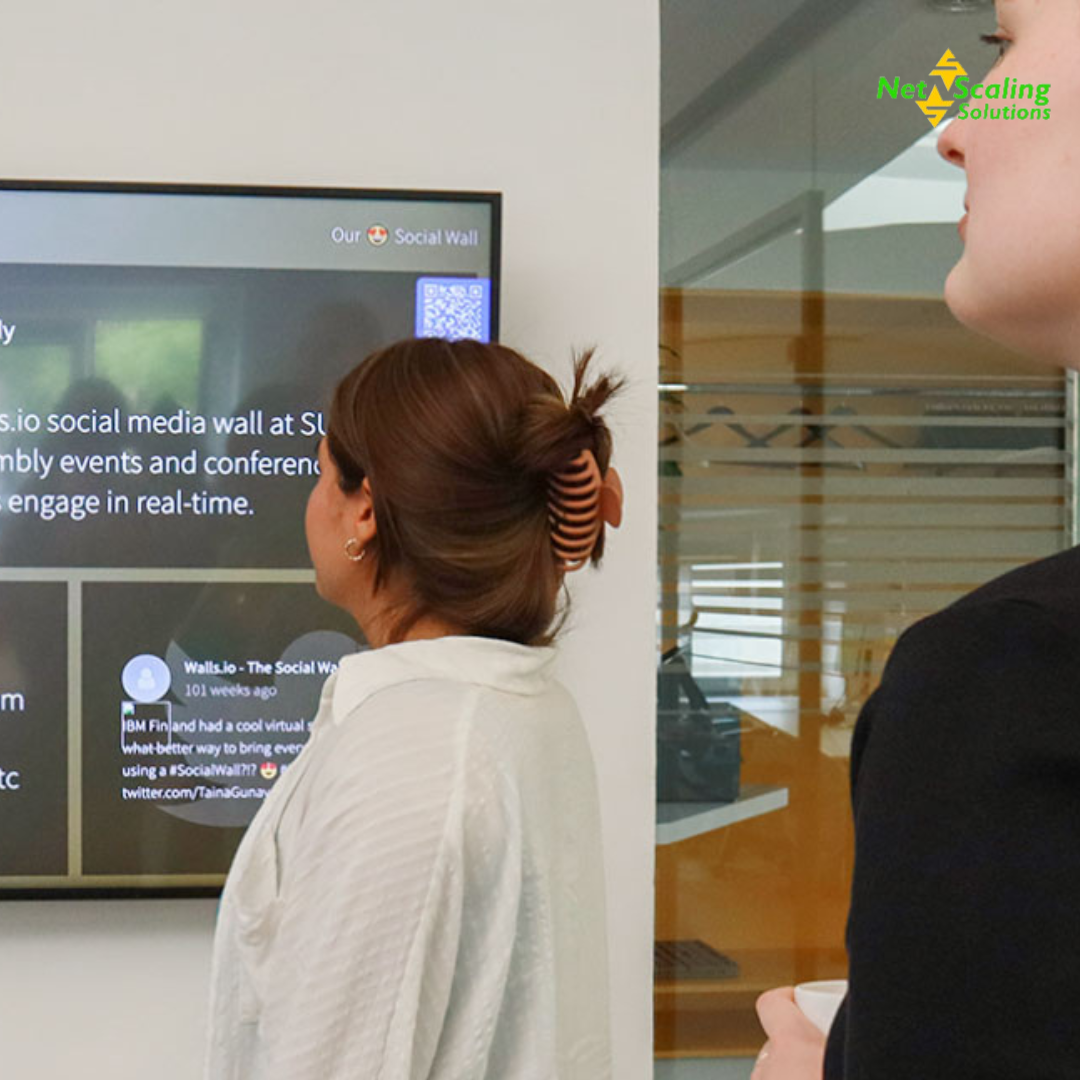
Digital display boards have moved from a nice-to-have to a core part of how modern businesses communicate, advertise, and sell. The global digital signage market was valued at $28.8 billion in 2024 and is projected to reach $45.9 billion by 2030 and the businesses driving that growth are the ones that figured out early that static signage simply can’t compete anymore. (Grand View Research, Digital Signage Market Report)
If you’re still relying on printed posters, static menus, or outdated displays to reach your customers, here’s what you’re leaving on the table and how digital display boards change the game.
What Are Digital Display Boards?
Digital display boards, also called digital signage or electronic displays, are high resolution screens that deliver dynamic visual content including images, video, animations, and interactive elements. Unlike traditional static signage, they can be updated instantly, scheduled in advance, and tailored to specific audiences or times of day.
Modern digital display boards connect to content management systems (CMS) that let you control what’s shown, when, and from anywhere. From a single screen above a retail counter to a full video wall in a corporate lobby, they serve as a versatile, high-impact communication tool for businesses of every size.
5 Ways Digital Display Boards Transform Your Marketing
1. Dramatically Boost Brand Visibility and Engagement
Static signs get ignored. Digital display boards don’t. Moving visuals, vibrant color, and dynamic content naturally draw the eye and hold attention far longer than printed alternatives. For businesses in competitive retail environments, restaurants, or high traffic locations, that visibility difference directly affects foot traffic and sales.
The in-store digital signage segment dominated the market with a revenue share of over 70% in 2024, a clear signal that businesses investing in physical locations are prioritizing digital displays as their primary in-store communication tool. When your brand looks polished and current, customers notice and trust you more.
2. Deliver Targeted, Personalized Messaging in Real Time
One of the most powerful capabilities of digital display boards is the ability to show the right message to the right audience at the right time. By connecting displays to data sources, CRM systems, inventory platforms, or social media feeds, businesses can deliver content that’s contextually relevant rather than generic.
A restaurant can promote its lunch specials only during morning hours. A retailer can highlight products that are running low on stock to create urgency. A hotel can display local weather, events, and personalized guest information. This level of real time personalization increases the effectiveness of every message your display shows.
3. Drive Sales and Conversions Directly at the Point of Decision
Digital display boards placed strategically at or near the point of purchase have a measurable impact on buying decisions. When customers see product promotions, limited time offers, or upsell suggestions at exactly the moment they’re deciding what to buy, conversion rates improve.
Businesses can go further by incorporating QR codes, discount codes, or interactive touchscreen elements that bridge the gap between viewing an advertisement and completing a purchase. Every display becomes an active sales tool, not just decoration. For restaurants specifically, digital menu boards are one of the most proven ways to increase average order value and speed up service at the same time.
4. Create a Consistent Omnichannel Brand Experience
Your marketing doesn’t exist in a vacuum, customers move between your physical location, your website, and your social media. Digital display boards let you align your in person messaging with your broader campaigns, reinforcing key brand messages across every touchpoint.
When your in-store displays match the promotion you’re running on Instagram, or reflect the seasonal campaign on your website, customers experience a coherent brand story rather than disconnected messaging. That consistency builds trust and increases the likelihood of conversion across every channel.
The U.S. digital signage market was estimated at $6.36 billion in 2024, with growth driven by the retail sector’s shift toward omnichannel experiences and the adoption of more engaging, personalized display technologies.
5. Reduce Long-Term Costs While Staying Current
Traditional printed signage costs money every time something changes; new prices, new promotions, new branding. With digital display boards, updates are instant and free. Digital signage helps businesses decrease long term operational costs by reducing reliance on printed advertising materials and eliminating the recurring expenses associated with traditional marketing activities.
Over time, the ability to update content without reprinting, redesigning, or reinstalling anything represents significant savings while keeping your messaging more current and relevant than static signage ever could.
What to Consider When Implementing Digital Display Boards
Getting digital display boards right requires more than buying a screen and plugging it in. Here’s what matters:
Display size and placement: The screen needs to be large enough to be seen clearly from the intended viewing distance, and positioned where your audience’s eyes naturally go. A display that’s too small or poorly positioned defeats the purpose.
Content management system: Cloud-based digital signage platforms simplify content creation and remote display management, making it easier for businesses to update and control their displays from a single interface. Choose a CMS that matches your team’s technical ability and your content update frequency.
Network and cabling infrastructure: Digital display boards depend on a reliable network connection for real time content updates and remote management. Proper structured cabling ensures your displays stay connected and perform consistently, especially in multi-screen or multi location setups.
Content quality: High resolution screens demand high quality content. Blurry images or poorly designed graphics on a 4K display look worse than the same content on a printed poster. Invest in content that matches the quality of the hardware.
Security: Digital display boards should be protected with security measures including firewalls and encryption to guard against unauthorized access particularly for displays connected to customer data or integrated with business systems. Pairing your signage network with a properly configured alarm system adds another layer of protection for your physical hardware investment.
Future Trends in Digital Display Boards
The technology is advancing rapidly. Here’s where digital display boards are headed:
AI-driven content delivery: Artificial intelligence is enabling displays to analyze real time data and automatically serve the most relevant content based on audience demographics, time of day, or environmental conditions without manual intervention.
Augmented reality integration: AR capabilities are beginning to appear in retail and hospitality displays, allowing customers to interact with products or spaces virtually before making a purchase decision.
IoT connectivity: Displays integrated into IoT networks can respond to real world triggers; weather changes, traffic patterns, inventory levels, delivering content that’s genuinely reactive to what’s happening around them.
Higher resolution displays: 4K digital signage displays dominated the market with a revenue share of over 40% in 2024, and 8K is emerging for high impact applications like video walls and flagship retail environments.
The Bottom Line
Digital display boards aren’t just a technology upgrade, they’re a marketing advantage. They make your business look more professional, communicate more effectively, and sell more actively than any static alternative.
Net Scaling Solutions designs, installs, and configures digital display systems for businesses across Maryland and the Mid-Atlantic. Whether you need a single display at your checkout counter or a multi screen setup across multiple locations, we handle everything from content management setup to network infrastructure, so your displays work reliably from day one.
Frequently Asked Questions
Digital display boards are used for in-store advertising, menu displays, product promotions, wayfinding, corporate communications, and customer engagement. They replace static printed signage with dynamic, updateable content that can be changed instantly and tailored to specific audiences or time periods.
Costs vary based on screen size, quantity, and content management requirements. Entry-level commercial displays start around $500–$1,500 per screen, with installation and CMS costs on top. The long-term savings from eliminating print costs and the revenue impact of more effective in-store marketing typically deliver a strong return on investment.
Digital menu boards are a specific application of digital display technology designed for food service businesses to show menus, pricing, and promotions. Digital display boards is the broader category that includes any commercial display used for advertising, information, or communication, in retail, corporate, hospitality, healthcare, and more.
For single screen setups in simple environments, some businesses self-install. But for multi-screen configurations, video walls, outdoor displays, or systems requiring network integration and content management setup, professional installation ensures everything performs correctly and reliably, and protects your hardware investment.