7 Essential Tips for Choosing Business Alarm Systems
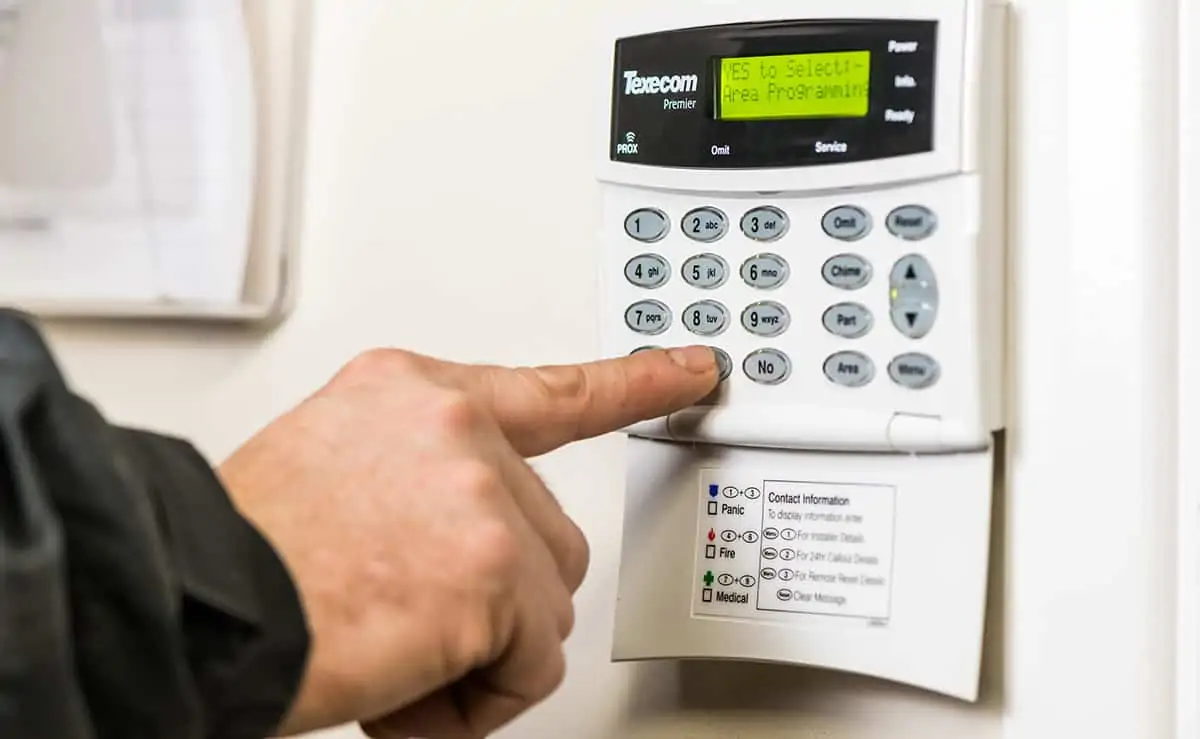
Choosing business alarm systems is one of the most important security decisions you’ll make, and getting it wrong is more costly than most business owners realize. In 2023, 42,508 commercial properties and office buildings were burglarized across the United States – National Retail Federation, and that figure doesn’t account for the far more common incidents of internal theft, unauthorized access, and vandalism that a properly specified alarm system helps prevent.
The good news: homes and businesses without a security system are 300% more likely to be broken into and 83% of potential burglars check for alarms before attempting a break in, avoiding properties where systems are even just visible – National Retail Federation
According to FBI crime data, the average loss per burglary incident is $2,661 and law enforcement solves only 12% of reported burglaries, making prevention far more effective than relying on post incident investigation. For businesses, alarm system investment is one of the clearest security ROI calculations available. (Get Safe and Sound, FBI Data Analysis)
1. Start With a Honest Assessment of Your Vulnerabilities
Before you talk to a single provider, understand what you’re actually protecting against. Every business has a unique risk profile, and a system designed for a retail store looks very different from one built for a warehouse, a medical office, or a multi tenant commercial building.
Ask yourself:
- What are the most likely security threats for my specific industry and location?
- Where are the physical weak points in my premises; entry doors, loading areas, emergency exits, windows?
- Which areas contain the highest value assets, sensitive data, or restricted materials?
- What hours is the building occupied, and what happens during unoccupied periods?
Your answers should drive the system specification, not the other way around. A provider who asks these questions before recommending a solution is one worth taking seriously.
2. Understand the Different Types of Business Alarm Systems
Not all alarm systems are built for the same purpose. A complete commercial security strategy typically includes a combination of the following:
Intruder alarm systems: Motion detectors, door and window sensors, glass break detectors, and perimeter sensors that trigger alerts when unauthorized access is detected. The foundation of most commercial alarm deployments.
Monitored alarm systems: Connected to a 24/7 monitoring center that receives alerts and dispatches emergency services when triggered. The most effective option for businesses where fast response times are critical and the type most likely to qualify for insurance premium reductions.
Unmonitored (self-monitored) systems: Trigger loud local sirens and send push alerts to your phone. Lower ongoing cost, but response depends entirely on someone acting on the alert quickly. Better suited as a supplemental layer than a standalone commercial solution.
Fire and CO detection systems: Often integrated with intruder alarm infrastructure. Mandatory in many commercial occupancy types and critical for life safety compliance.
Panic and duress alarms: Silent triggers that allow staff to alert security or emergency services without confronting an intruder. Essential for businesses with cash handling, lone workers, or customer facing staff in isolated areas.
Integrated systems: Alarm systems connected to CCTV surveillance and access control platforms, creating a unified security infrastructure where all three systems share data, trigger coordinated responses, and report through a single dashboard.
Most commercial installations combine multiple types. The right combination depends on your specific risk profile, building layout, and operational requirements.
3. Evaluate the Difference Between Monitored and Unmonitored System
This decision has more operational and financial implications than almost any other specification choice.
Monitored systems are connected to a central monitoring station staffed around the clock. When an alarm triggers, trained operators verify the event, often using integrated CCTV footage and dispatch police, fire, or medical services as appropriate. Response is fast, professional, and doesn’t depend on anyone at your business acting on an alert.
Monitored systems also carry a significant insurance benefit. Monitored security systems can secure 15–20% average discounts on commercial insurance premiums, with comprehensive systems offering savings of up to 25%. Over a multi year policy, those savings can significantly offset the cost of the monitoring service itself.
Unmonitored systems are less expensive to operate but place the full response burden on whoever receives the alert. In practice, this means a delayed response especially outside business hours and no professional verification before emergency services are called, which can result in false alarm fees.
For most commercial applications, professionally monitored systems deliver better security outcomes and better long term value. The monthly monitoring fee is one of the most cost effective investments in your security budget.
4. Prioritize Integration With Your Other Security Systems
A standalone alarm system is useful. An alarm system integrated with your surveillance cameras and access control is a fundamentally different and far more capable security infrastructure.
When your alarm system is integrated with CCTV surveillance, an alarm trigger automatically pulls the corresponding camera feed and timestamps the footage against the event. Your monitoring center or your own security team sees exactly what triggered the alarm, in real time, without any manual cross referencing.
When your alarm system is integrated with access control, an unauthorized entry attempt can automatically lock down adjacent doors, revoke temporary credentials, and alert security with a full audit trail of the triggering event.
This level of coordination is what separates reactive security from proactive protection. When evaluating providers, ask specifically about integration capability, not just what their system does in isolation, but how it works with the other security systems you have or plan to deploy.
5. Verify Provider Credentials, Experience, and Support
The alarm system is only as reliable as the company behind it. Before committing to any provider, verify:
Licensing: Commercial alarm system installation is a licensed trade in Maryland and most jurisdictions. Confirm that the provider and their technicians hold the appropriate state and local licenses. Ask for documentation, any legitimate provider will have it ready.
Commercial experience: Consumer alarm companies and commercial security integrators are very different. Look for providers with documented experience installing systems in commercial properties similar to yours in size, industry, and complexity.
Manufacturer certifications: Certified installers for the equipment brands they use have undergone manufacturer training and have access to advanced configuration, warranty support, and technical resources that uncertified installers don’t.
Insurance coverage: The provider should carry liability insurance that protects your business in the event of accidental damage during installation or maintenance. Request a certificate of insurance before work begins.
Customer references: Ask for references from existing commercial clients in your area. A provider confident in their work will provide them readily.
6. Insist on Scalability and Customization
Your business will evolve. Your alarm system needs to evolve with it without requiring a complete reinstallation every time your needs change.
When evaluating proposals, ask:
- Can I add sensors, detectors, or coverage zones without replacing the core system?
- Can the system support multiple buildings or locations under one platform?
- Can access permissions and alert configurations be changed remotely?
- What happens if I need to expand into new areas of my facility?
A system that can’t scale is one you’ll be replacing sooner than you planned. The upfront cost of a scalable, well specified system is consistently lower than the total cost of an undersized system replaced within three to five years.
Customization matters just as much. Alarm zones, response rules, alert routing, and monitoring schedules should all be configurable to your specific operational patterns, not locked into whatever the system defaults to.
7. Understand the Total Cost of Ownership, Not Just the Installation Price
The purchase price of an alarm system is only part of the equation. Before signing any contract, get a complete picture of:
Installation cost: Equipment, labor, cable routing, and system configuration. Get itemized quotes from at least two providers to compare accurately.
Monthly monitoring fees: For professionally monitored systems, confirm what’s included: 24/7 monitoring, emergency dispatch, remote access, mobile alerts, and reporting.
Maintenance and service: Annual inspections, battery replacements, firmware updates, and fault response. Ask whether maintenance is included, available as a paid plan, or billed ad hoc.
Contract terms: Many commercial monitoring contracts run 3–5 years. Understand early termination clauses, equipment ownership at contract end, and what happens if the monitoring provider is acquired or changes service levels.
ROI calculation: Factor in potential insurance premium reductions, prevented losses from theft and vandalism, and liability protection value. For most businesses, a properly specified and monitored alarm system returns its cost many times over across its operational life.
Frequently Asked Questions
For most small businesses, a professionally monitored intruder alarm system, integrated with at least basic CCTV coverage at entry points, delivers the best combination of deterrence, response capability, and insurance value. The exact configuration depends on your premises layout, operating hours, and the nature of what you’re protecting. A site assessment will give you a more accurate answer than any general recommendation.
Yes, consistently. Most commercial insurers offer premium discounts for businesses with professionally installed and monitored alarm systems. The discount varies by insurer and policy type but typically ranges from 5–20%. For businesses with significant asset values or elevated risk profiles, the annual insurance saving alone can offset a meaningful portion of the monitoring cost.
Most straightforward commercial installations are completed in one to two days. Larger facilities, multi zone systems, or installations requiring significant cable routing may take longer. At Net Scaling Solutions, we schedule installations to minimize disruption to your business operations, including after hours and weekend work where needed.
A local alarm triggers a loud siren and may send a push alert to your phone when activated. A monitored alarm connects to a 24/7 professional monitoring center that verifies the event and dispatches emergency services on your behalf. For commercial applications, monitored systems are strongly preferred, response time is significantly faster, false alarm management is handled professionally, and the monitoring record supports insurance claims and legal proceedings in a way that self monitored systems cannot.
Choose the Right System With Net Scaling Solutions
The right business alarm system isn’t the cheapest one or the most feature-rich one, it’s the one that’s correctly specified for your facility, professionally installed, properly integrated with your other security infrastructure, and supported by a provider who’ll be there when you need them.
At Net Scaling Solutions, we design and install commercial alarm systems for businesses across Maryland and the Mid-Atlantic region. Every engagement starts with a thorough site assessment, we evaluate your vulnerabilities, your operational patterns, and your existing security infrastructure before recommending a single component. No cookie-cutter packages. No overselling. Just the right system for your business, built to last.