6 Powerful Benefits of Modern Business Alarm Systems
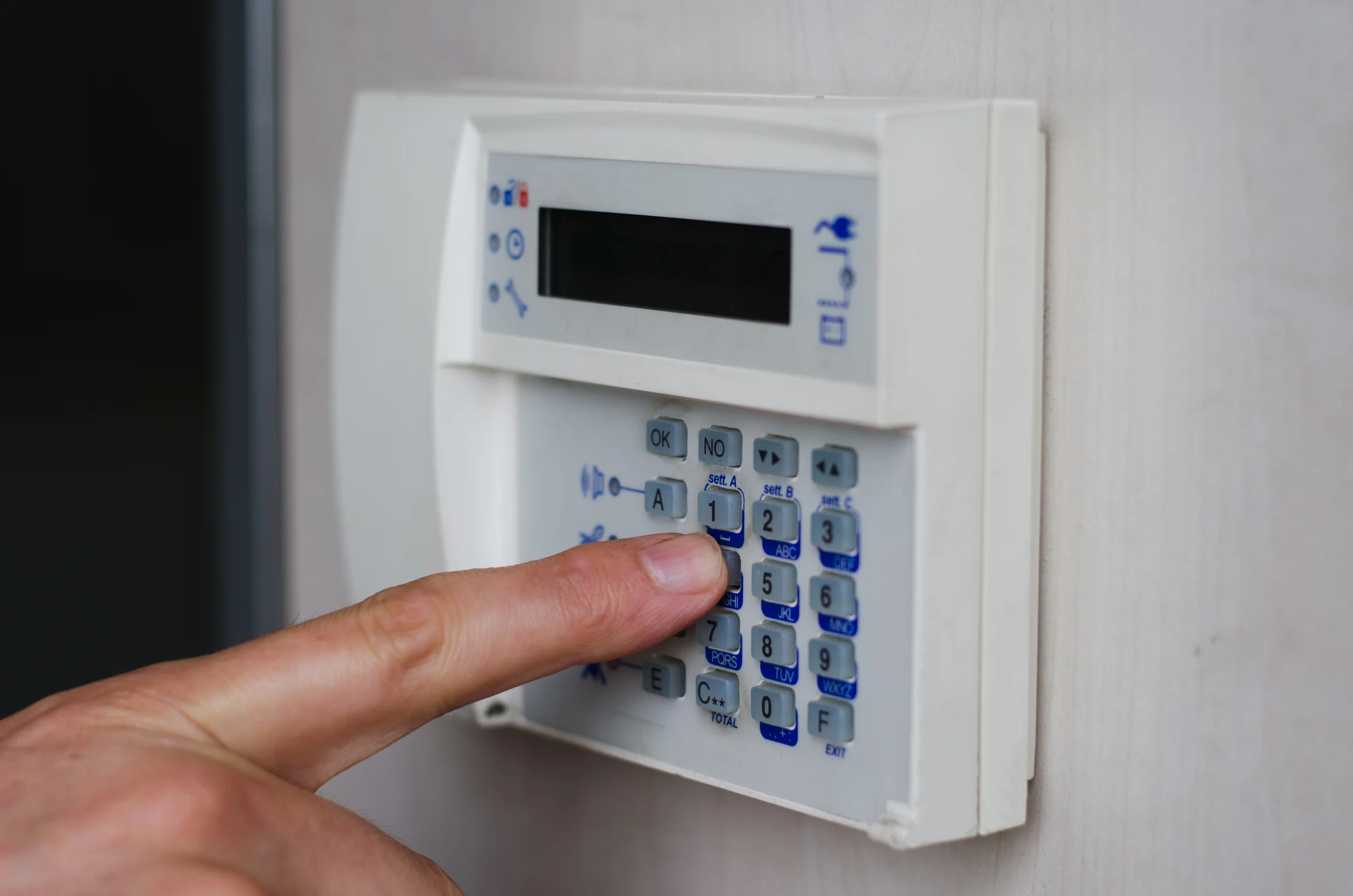
Business alarm systems have evolved far beyond a siren and a phone call to a monitoring center. Today’s commercial alarm systems are intelligent, integrated platforms that detect intrusion, fire, and environmental threats; respond automatically; notify the right people instantly; and generate the data that helps businesses understand and manage their security posture over time.
The numbers underscore exactly why this investment matters: 83% of burglars check for signs of an alarm before attempting a break-in, and 60% of convicted burglars say the presence of an alarm would steer them toward a different target entirely. The burglar alarm systems market grew from $5.4 billion in 2023 to $5.9 billion in 2024 and is projected to reach over $8 billion by 2028, driven by businesses that have learned what proper alarm protection actually delivers. (Safewise, Home Security Statistics)
Here are the 6 most impactful benefits of upgrading to a modern commercial alarm system.
1. Powerful Deterrence That Stops Crime Before It Starts
The most valuable thing a business alarm system does is prevent incidents from occurring in the first place, and the deterrence research is unambiguous. Before a break-in attempt, 83% of burglars look for signs of an alarm, and only 13% would continue an attempted burglary after discovering one was present. More than half stop immediately when they detect an alarm, with another 31% sometimes retreating.
This deterrence effect works at multiple levels. Visible alarm panels, door and window sensors, motion detectors, and security signage all communicate to potential intruders that your business is monitored, protected, and not worth the risk. For a criminal selecting between nearby targets, a clearly alarmed business is consistently passed over in favor of one without visible security measures.
For commercial properties, where a single break-in can mean significant inventory loss, equipment theft, vandalism repair costs, and business disruption, the value of preventing that incident entirely cannot be overstated. A business alarm system doesn’t just respond to crime; it discourages it from happening at your location at all.
2. Remote Monitoring That Keeps You Connected 24/7
One of the most transformative capabilities of modern business alarm systems is real-time remote monitoring, the ability to stay connected to your security environment from anywhere, at any time, through a mobile app or web interface.
When a sensor is triggered, you receive an immediate notification with specifics; which zone, what type of alert, and at what time. You can review camera feeds, verify whether the alert represents a genuine threat, and take action, all from your phone before a monitoring center response team or law enforcement is even dispatched.
For business owners who aren’t physically present around the clock, this continuous awareness is operationally significant. You know when your business opens and closes. You know when someone enters a restricted area. You know when environmental sensors detect a temperature anomaly in a server room or equipment area. Remote monitoring converts your alarm system from a reactive device into an active management tool.
Modern alarm systems integrate seamlessly with your CCTV surveillance, so when an alarm event occurs, the corresponding camera feed pulls up automatically. This correlation of alarm data with visual evidence transforms alert response from guesswork into informed decision-making.
3. Integration With Your Complete Security Ecosystem
Modern business alarm systems aren’t standalone devices, they’re platforms designed to integrate with every other component of your security infrastructure. This integration is where the most significant security gains come from.
When your alarm system connects with your access control infrastructure, unauthorized access attempts at controlled entry points trigger automatic alarm responses. When it connects with your CCTV system, camera feeds are automatically directed to the relevant zone when motion is detected. When it integrates with smart building systems, a triggered alarm can simultaneously lock certain doors, activate emergency lighting, and notify facility management.
A properly integrated access control system working alongside your alarm platform means that who entered a space, when they entered, and what the alarm system recorded during that window are all available in a correlated, searchable record. That integration turns separate security systems into a unified, coordinated security environment, one that responds faster, generates more useful data, and provides stronger overall protection than any individual system can deliver alone.
The integration of AI, IoT, and smart technology is revolutionizing business alarm systems, making them more sophisticated and efficient, with AI-powered motion sensors now capable of differentiating between authorized personnel, animals, and potential intruders, dramatically reducing false alarms while improving genuine threat detection.
4. Enhanced Security Measures for Every Threat Type
Modern business environments face threats that go well beyond burglary. A comprehensive business alarm system addresses the full range of security and safety risks your premises face, not just afterhours intrusion.
Intrusion detection remains the core function; door and window sensors, motion detectors, glass break sensors, and perimeter protection that trigger alerts the moment unauthorized access is attempted or achieved.
Fire and smoke detection is integrated into professional commercial alarm systems, providing early warning of fire events that allows for evacuation, emergency response, and potential damage limitation before a small incident becomes a catastrophic one.
Environmental monitoring covers threats like water leaks in server rooms or equipment areas, CO detection, and temperature anomalies that could damage critical equipment or inventory, risks that no amount of intrusion protection addresses.
Video analytics integration adds an intelligent layer to alarm response. Advanced systems can detect loitering at perimeter entry points, identify unusual movement patterns after hours, and generate proactive alerts for situations that haven’t yet triggered a sensor but show the behavioral indicators of a developing security event.
Businesses that deploy integrated alarm systems covering all of these threat types get security that actually matches the complexity of the risks they face, not just protection against the most obvious scenario.
5. Significant Insurance Premium Reductions
A professionally installed and monitored business alarm system isn’t just a security investment, it’s a financial one with a documented return. Most commercial property insurers offer meaningful premium reductions for businesses with certified alarm systems, particularly when those systems include professional 24/7 monitoring.
Insurance discount ranges for properties with professional security systems typically run 5–20%, depending on the insurer, the type of system, whether professional monitoring is included, and the specific coverage being assessed. For a commercial property paying significant annual premiums on contents, equipment, and liability coverage, a 10–15% reduction represents real money, often enough to cover a substantial portion of the alarm system’s ongoing monitoring cost.
Beyond the direct premium discount, a properly alarmed business also benefits from faster, smoother insurance claim processing when incidents do occur. Alarm logs, monitoring records, and integrated camera footage all provide the documentation insurers need to process claims efficiently, and help establish the facts of an incident accurately for both insurance purposes and any subsequent legal or law enforcement action.
6. Scalability That Grows With Your Business
A modern business alarm system is designed to grow with your operation, not constrain it. As your business expands, adds locations, restructures its space, or changes its operational requirements, your alarm infrastructure should adapt without requiring a complete replacement.
Adding new sensors, expanding coverage to additional areas, integrating new access control points, or connecting a second location to your existing monitoring platform are all capabilities that professionally specified commercial alarm systems support. This scalability means your initial investment continues to deliver value as your security requirements evolve, rather than becoming obsolete the first time your business outgrows it.
The scalability advantage also applies to technology integration. As AI-driven analytics, smart sensors, and cloud-based monitoring capabilities continue to evolve, modern alarm platforms are designed to incorporate these advances through software and hardware updates rather than complete system replacements. Businesses that invest in professional-grade, scalable alarm infrastructure today are positioned to benefit from the next generation of security technology as it matures, without starting over.
The structured cabling infrastructure supporting your alarm and security systems is the foundation that makes this scalability possible. A properly designed network backbone ensures that adding devices, expanding coverage, and integrating new technologies happens smoothly rather than requiring infrastructure remediation every time your security needs change.
What to Look for in a Business Alarm System
Not all commercial alarm systems deliver equally on these benefits. When evaluating systems and providers, focus on these key criteria:
Professional monitoring vs. self-monitoring. 24/7 professional monitoring ensures that alarm events are responded to even when you’re unavailable or unreachable, a critical capability for commercial properties that may be unoccupied for extended periods.
Integration capability. The system should be able to connect with your existing or planned camera, access control, and building management systems, not operate in isolation.
Scalability headroom. Confirm that the system supports the number of zones, sensors, and integration points your business is likely to need over the next five years, not just what you need today.
False alarm management. Modern systems should include intelligent verification capabilities that reduce false alarms, preserve your relationship with local law enforcement, and prevent alarm fatigue that causes genuine events to be underreacted to.
Provider experience. Choose a provider with documented experience in commercial alarm system design and installation, not a residential provider who also handles commercial work as a secondary offering.
Frequently Asked Questions
A monitored system connects to a professional 24/7 monitoring center that receives alarm signals, verifies the event, and dispatches appropriate response — law enforcement, fire department, or building management — when warranted. An unmonitored system triggers a local siren and potentially sends you a notification, but no professional response is initiated unless you or someone on-site takes action. For commercial properties, professional monitoring is strongly recommended, particularly for after-hours coverage when no one is on-site to respond.
Modern systems use intelligent cross validation between multiple sensor types before triggering a verified alarm response. For example, a motion sensor detecting movement in a restricted area is cross-referenced with access control records, camera analytics, and the time of day before a full alert is generated. This layered verification approach dramatically reduces false alarm rates compared to older single-sensor systems, preserving your relationship with local law enforcement and reducing the operational disruption of non-genuine alerts.
es, integration is one of the defining advantages of professional commercial alarm systems. When properly installed and configured, your alarm system, CCTV cameras, and access control all operate as a unified platform. Alarm events trigger relevant camera feeds automatically, access control logs are correlated with alarm data, and your security team has a single interface showing a complete picture of your security environment. Integration requires compatible hardware and professional configuration during installation.
Commercial alarm systems should be tested at least quarterly, with a professional inspection and service visit recommended at minimum annually, and semi-annually for high-use or high-risk environments. Testing should cover all sensors, the communication pathway to the monitoring center, battery backup functionality, and the response procedure for each alert type. Keeping alarm systems tested and maintained is also a common condition of insurance policies that provide premium discounts for alarmed properties.
The Bottom Line
Business alarm systems protect your people, your inventory, your equipment, and your peace of mind. They deter crime before it starts, respond intelligently when it occurs, integrate with your broader security environment, and deliver financial returns through insurance savings that most business owners don’t fully account for.
Net Scaling Solutions designs and installs commercial alarm systems for businesses across Maryland and the Mid-Atlantic. We integrate alarm systems with CCTV surveillance, access control, and structured cabling infrastructure, providing complete, coordinated security coverage from a single provider.